|
Do you realise that 2026 is the 30th anniversary since meetings were first held in the offices of local Federal member for Kingston, Susan Jeanes, to save the Glenthorne property from housing? It is probably a good time, to review where we are at, and where we are headed.
The group has never been in such a great position, as we are now.
We have a strong committee, although we could do with a couple more joining us on the committee, and we have a very good relationship with the Dept for Environment and Water rangers and the Riding for Disabled SA who are the lessee of the site the Friends’ native plant nursery is being built on. We have recently purchased equipment that will enable us to do our revegetation work more efficiently and it will enable us to complete more weed control and plant maintenance than ever before. This equipment includes a John Deere 1570 front-deck ride on mower, and slasher, heavy duty push mowers, electric brush cutters, and a water tank complete with pump and hose.
Two weeks ago, on Monday 16th of February 2026, after waiting more than two and a half years, the Department for Infrastructure and Transport contractors began leveling the native plant propagation nursery site and digging the footing trenches. The posts, previously positioned incorrectly within the nursery site, have been removed and the original site measuring 40m x 40m has now been readied for further construction works.
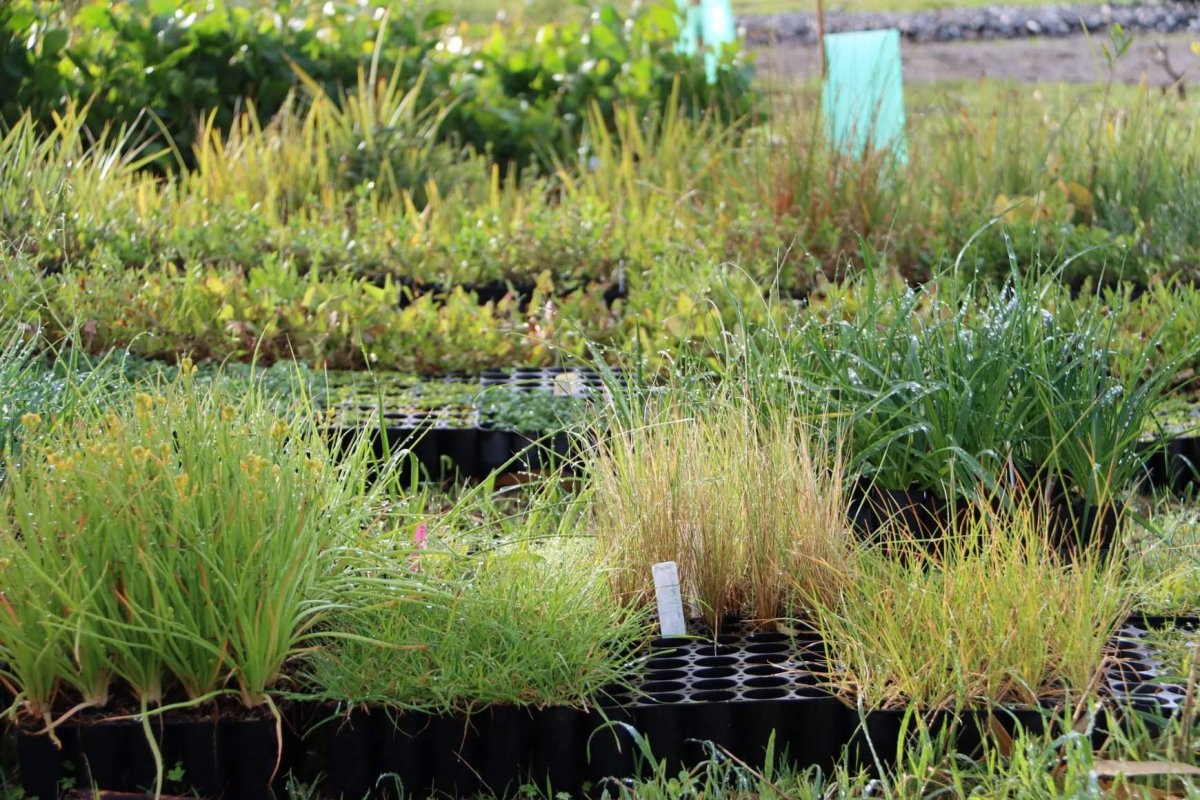
The Friends of Glenthorne National Park are excited to think that by late May 2026 the native plant nursery construction phase will be completed and the setup of the workings of the nursery can begin. Several other local environmental groups are keen to be involved and we are keen to share the facility and to learn from, and work with, groups such as the Native Orchid Soc of SA and the SA Seed Conservation Centre, in the preservation of threatened native species. We are also keen to work with indigenous groups and kindies and schools and universities to promote knowledge of native plants, their propagation and the reintroduction of these plant species back into the landscape. We have a close relationship with the Friends of O’Halloran Hill and look forward to working with other local groups, such as Friends of Marino Conservation Park, Friends of Hallett Cove Conservation Park, Friends of the Lower Field River, Friends of Sturt Gorge, for the betterment of the southern urban landscape.
We have seen an increasing number of birds species in the park with the rare Square-tailed Kite being seen several times in recent months and Black-shouldered Kites have raised at least three fledglings in the past year. As the weeds are controlled, the vegetation continues to grow and other species are added to increase plant biodiversity, the number of species of wildlife and the populations of these species can only increase. Other bird species identified in recent months include Red-browed Finches, White-naped Honeyeaters, Singing Honeyeaters and Black-tailed Native Hens. A recent bat survey using Anabat sound recording equipment identified seven micro-bat species, all within the playground and hub area, indicating a healthy environment despite the human activities.
It is certainly heart warming to see the playground being used by families with young children and an international award received late in 2025 was well deserved. The park is certainly connecting people with nature, as was the intention from the early planning days.
Perhaps the most exciting progress in the past few years has been the development of the Glenthorne Community Grassland, funded since 2022 by a Green Adelaide grant. This project run by Max McQuillan has direct seeded almost 5 hectares of land in the centre of the park, on the hill south of the ranger station. Over the summer months a small group of volunteers has been removing weeds using low impact bush care techniques. Weeds have been cut, swabbed with Glyphosate to eliminate them and the weeds removed and disposed of before their seed could disperse. It has been inspirational to see a highly biologically diverse suite of small native plant species germinating in such a harsh environment and surviving through this hot summer. Weed removal has given these plants the space and the chance to survive and the rains received over the past weekend, about 30mm, will no doubt boost their growth and numbers. Contactor work to control weeds in this important grassland has been funded over the past 12 months by a Friends of Parks and Nature grant and essential weed control must continue if this amazing site is to survive and flourish. It is currently the most diverse plant community in the park. The site also includes a large patch of Wallaby Grass which is used to produce seed for use elsewhere in the park.
The goodwill and network of supporters surrounding the Friends of Glenthorne National Park is impressive and we hope to expand this network with the sharing of our facilities and knowledge. We certainly value the on-going support of the local community.
We are seeing areas within the National Park increase in bio-diversity as weeds are replaced with native plant species and we plan for this to continue by working with the rangers and reviewing and expanding our current Work Plan. The guidance of Revegetation Ecologist, Angus Droogan-Turniski, will continue to be an important component as the Friends continue to learn to utilise our equipment and facilities to optimise environmental outcomes in coming years. Monitoring will also become an important part of measuring our on-going successes.
This great work and the position we are in has not happened by chance. We have been supported in our work by local politicians Erin Thompson and Alex Dighton who have assisted us to secure important financial grants in recent years and we continue to receive the Conservation Dividend from the City of Marion, as established by David Speirs when David as Environment Minister first established the Glenthorne National Park – Ityamaiitpinna Yarta.
We are thankful for all who have assisted and supported us over the past 30 years and we are now able to push the park to a higher level of native biodiversity than ever before, not since before Major O’Halloran first established his family home there in 1839. We know that the community loves the Glenthorne National Park – Ityamaiitpinna Yarta as we do and we hope that you do too and that your support of the Friends of Glenthorne National Park Inc will continue so that our valuable work can be maintained and increase.
If you would like to join us, details can be found on our website at www.friendsofglenthorne.org.au.
2026 is certainly going to be an exciting year in the national park, as each of the past 8 years have been, and we will try to keep you informed of our journey as we progress through it. Now that the weather is cooling, we hope you will visit with your family and enjoy what is now a very important local community asset.
Best regards,
Friends of Glenthorne National Park Inc committee.
1st March 2026.
|